
If you work in nonprofit fundraising, chances are you've had at least one moment where you wanted to throw your nonprofit's donor database out the window. Maybe it was when you discovered 47 duplicate records for the same donor in your CRM. Or when you realized nobody on your team enters data the same way. Or when you spent three hours trying to pull a simple report that should have taken five minutes.
Here's the truth: most nonprofit databases are a mess. Poor nonprofit database management leads to duplicate records, inconsistent data entry, and hours wasted on simple reports.
But here's the better news: it doesn't have to be that way.
The problems plaguing your database usually fall into three categories: People, Process, and Platform. Let's break them down.
The People Problem
Your nonprofit CRM is only as good as the people using it. Effective nonprofit database management starts with your team. And if your team isn't on the same page about how to use it, you're going to have problems.
Who does your development database serve? This might sound obvious, but it's worth stating clearly: your development database serves the Development/Fundraising team first and foremost. Yes, other departments—accounting, marketing, operations—need to pull data from it. But the primary purpose is to support fundraising efforts.
Make sure everyone understands what information needs to go into your organization's CRM and why. When your team knows the "why" behind data entry, they're more likely to do it consistently and correctly.
The Process Problem
Even the best database platform won't save you if your processes are broken. These nonprofit donor database best practices are fundamental rules to live by.
Nonprofit Donor Database Best Practices
Have a field for every piece of data. Don't just shove information wherever there's space. Emails, phone numbers, and Twitter handles should not share a field. It might seem convenient in the moment, but it creates chaos down the line.
Split data into its divisible parts. Don't cram multiple pieces of information into a single field. You'll thank yourself later when you need to sort, filter, or report on that data.
Define what you want from your database. Be specific about the reports and KPIs you need. Say it out loud: "This is the kind of data and format we want in our database. These are the kind of reports and KPIs we want out of our database." If that changes your expectation of what your database is and what it can be, you're already on your way to making those changes a reality.
If you need a few extra pointers on how to clean up your database, check out our nonprofit database cleanup guide from one of our consultants.
The Platform Problem
Maybe your processes are solid and your team is aligned, but your nonprofit CRM platform just isn't cutting it. Choosing the right CRM for nonprofits requires careful consideration. Here's what to consider:
Don't chase the shiny object. If what you have is working for you, stick with it. But do have goals in mind for where you want to be, and create a game plan for when you'll change or update your systems.
Don't pick a system purely on cost. Don't choose a database because of a sale or a super special deal. Pick a database because it's the right solution for you. Even solutions that offer free versions to nonprofits (like Salesforce) may not be the right fit for your organization.
You will always pay. We can't emphasize this enough: YOU WILL ALWAYS PAY. It's just a matter of who and when. You might pay the vendor, you might pay an outside consultant. Maybe you do all this up front, maybe you do it after months of frustration, but you can't escape it. And even if you think you're not paying because there's no monthly fee, consider the hours debited from your life as you battle, alone, to build a database brick by brick. Don't make the mistake of being penny-wise and pound-foolish.
Ask questions. If you decide it's time to purchase a new database, don't be afraid to speak up. You're the buyer. Make sure the sales rep understands what it is you need and what success looks like for your organization.
It's worth noting that database problems are often symptoms of larger strategic issues. If you're finding that your database can't support your fundraising goals, you might need to step back and clarify those goals first. Our Strategic Development Planning Guide can help you define what success looks like, which makes choosing and using the right database much easier.
And if you do decide you need a new database, here's a quick and easy guide on different database options.
The Bottom Line
Your nonprofit database problems are fixable. Whether it's getting your team aligned, tightening up your processes, or finding the right platform, there are concrete steps you can take to turn things around.
The first step is acknowledging that your database might suck right now, and that's okay. The second step is deciding to do something about it.
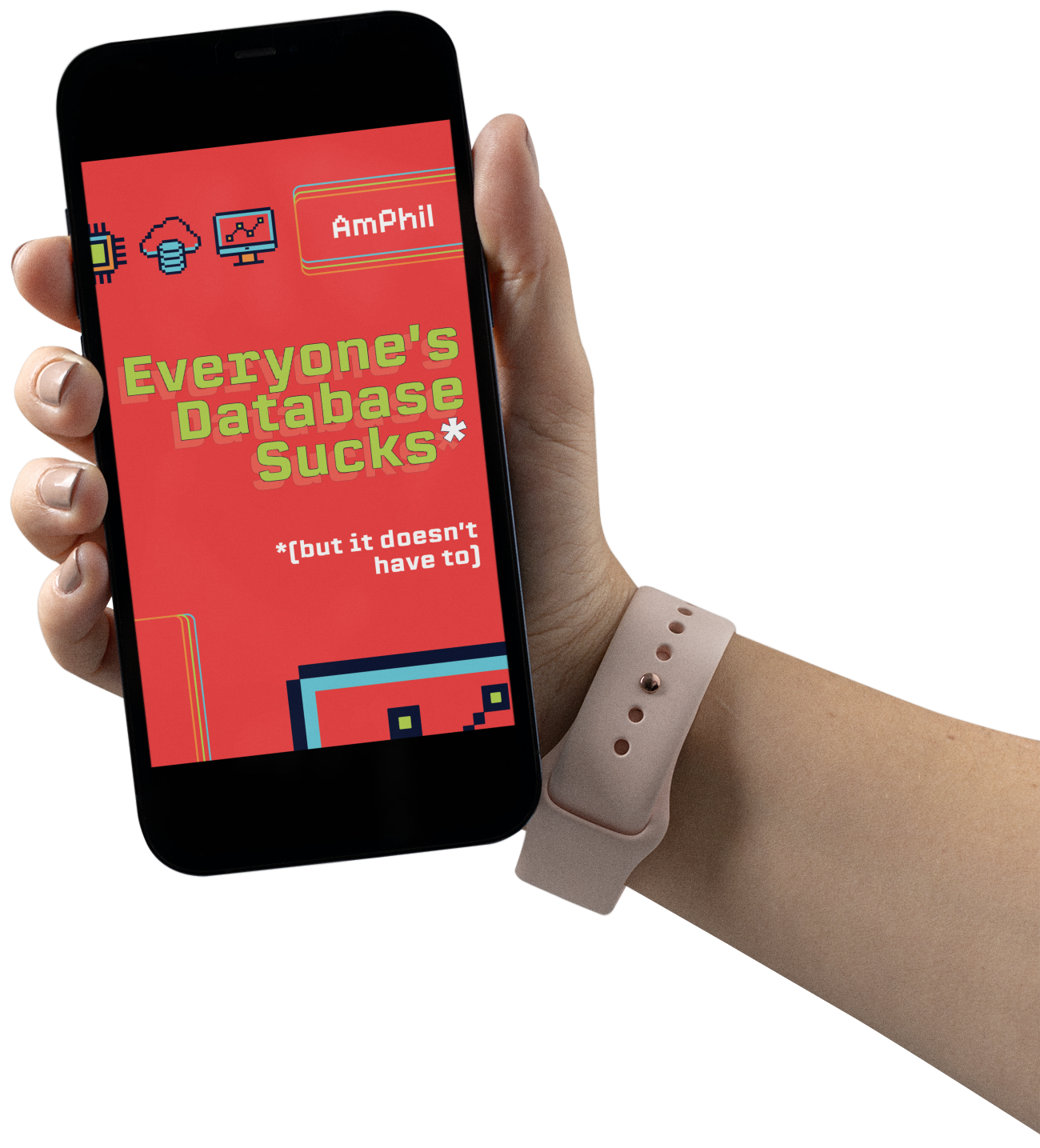
Ready to tackle your database challenges? Download our free ebook, Everyone's Database Sucks for a deeper dive into these issues and practical solutions you can implement today.
.png)
-Jun-19-2026-02-56-35-8703-AM.png)